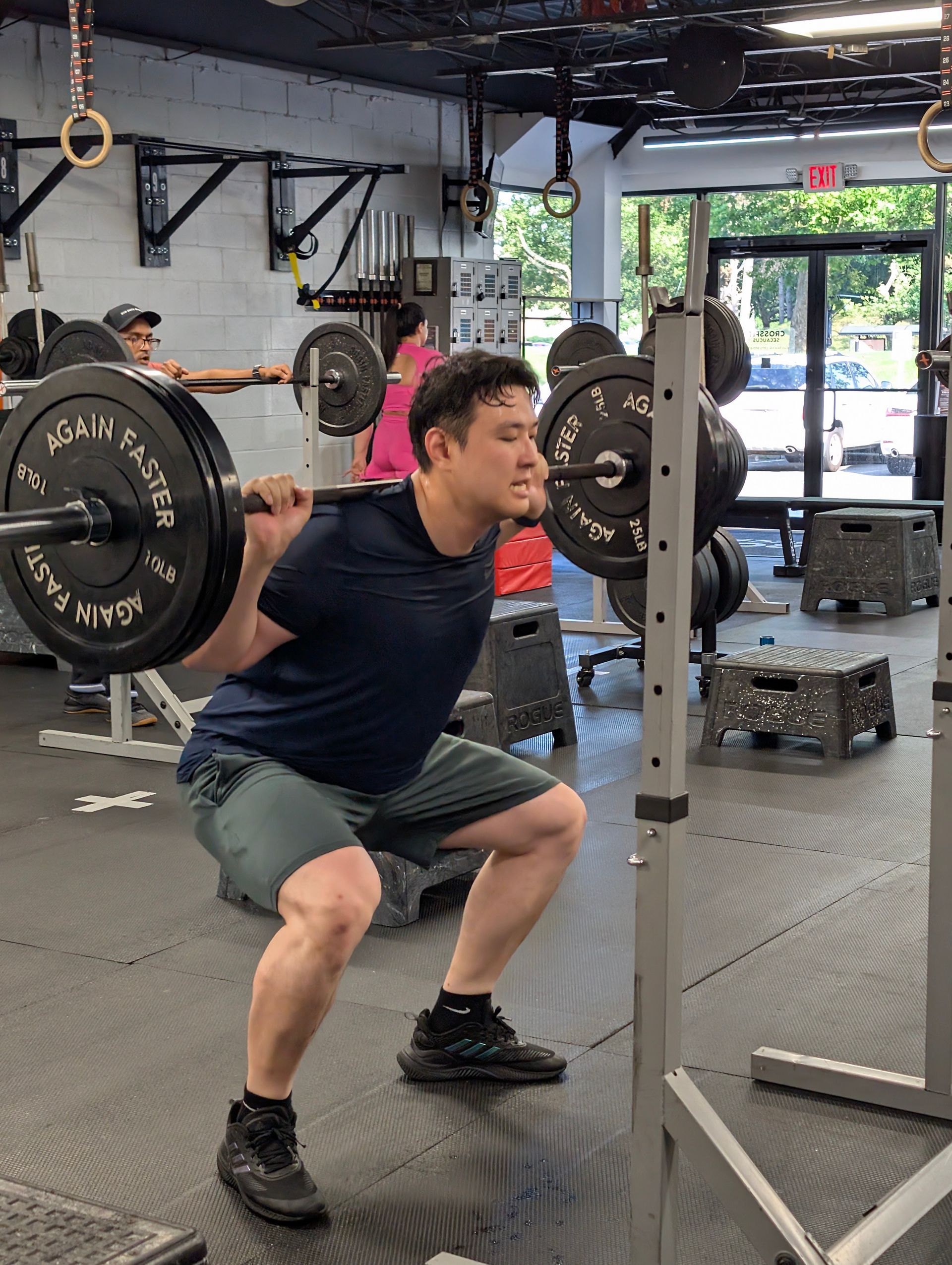
Is CrossFit Safe for Beginners?
What People In Secaucus NJ Need to KNOW
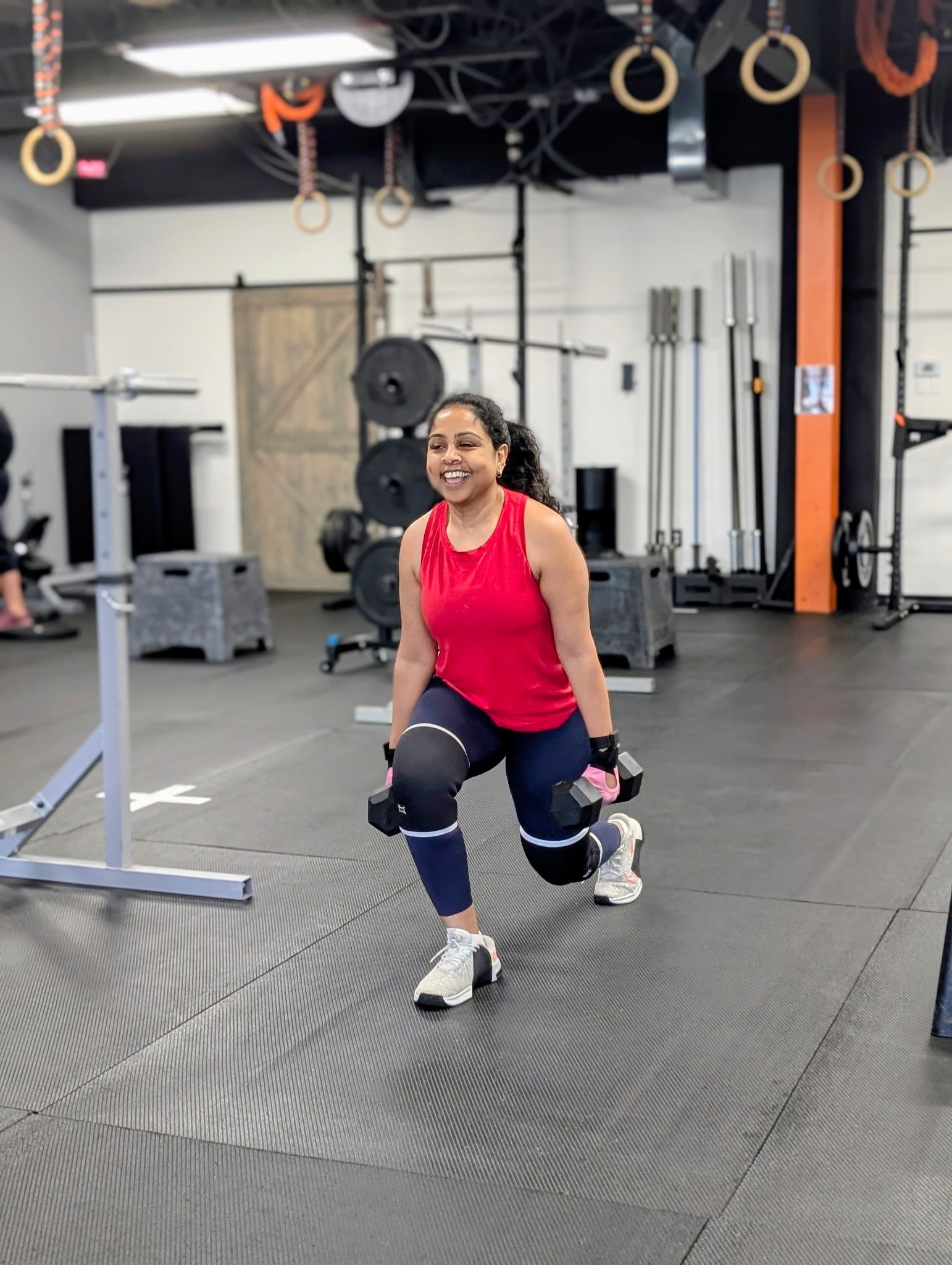
The honest answer, the important qualification, and how to evaluate whether a CrossFit gym is actually built to keep you safe.
By Rob Zych | CrossFit Secaucus | Secaucus, NJ
I am asked this question regularly. It comes up in almost every No Sweat Intro I conduct and it appears in my inbox from people who have been quietly researching CrossFit for weeks or months before deciding to reach out. The question almost always comes from someone who is genuinely interested but genuinely hesitant, and the hesitation is not irrational. If you are considering committing to something that affects your physical health, you should want to understand the risks before you begin. That is not timidity. That is good judgment.
So let me answer it directly and then explain the reasoning behind the answer in enough detail that you can evaluate it for yourself.
CrossFit, when coached properly and scaled appropriately to the individual, is not only safe for beginners. For most adults, it is one of the most effective and health-producing forms of exercise available. The qualification in that sentence (coached properly and scaled appropriately) is doing significant work, and I am going to spend the rest of this blog explaining exactly what it means and why it matters.
Where the Safety Concern Actually Comes From
The perception of CrossFit as dangerous did not emerge from nothing. It emerged from a specific subset of CrossFit content that receives disproportionate attention online and on television: competitive athletes performing at the extreme upper end of human physical capacity, highlight reels of heavy barbell work and high-skill gymnastics movements, and occasionally footage of people pushing so far past their limits that the outcome is not admirable but alarming.
That content is real. Those athletes exist. But they represent approximately the same relationship to a beginner CrossFit class that an NFL game represents to your Thursday evening flag football league. The methodology is related. The application is completely different.
There is also a legitimate historical critique of CrossFit that deserves acknowledgment rather than dismissal. In the early years of CrossFit growth, some gyms prioritized intensity over instruction, volume over technique, and competitive culture over individual safety. Injuries happened in those environments that did not need to happen. That criticism is fair and it produced real changes in how responsible CrossFit gyms operate today, including meaningful improvements in coaching education, programming standards, and onboarding practices.
The question worth asking is not whether CrossFit has ever produced injuries. Every form of physical training carries risk and CrossFit is not exempt from that reality. The question worth asking is whether CrossFit, implemented correctly in a quality coaching environment, carries a risk profile that is acceptable relative to the substantial health benefits it produces. The answer to that question, supported by research and by twelve years of coaching experience, is yes.
What CrossFit Is Actually Designed to Do
There is a persistent misconception that CrossFit is fundamentally about intensity. It is not. Intensity is a tool that CrossFit uses strategically, but the underlying design of the methodology is built around something considerably more meaningful: improving the functional health markers that determine how well you live as you age.
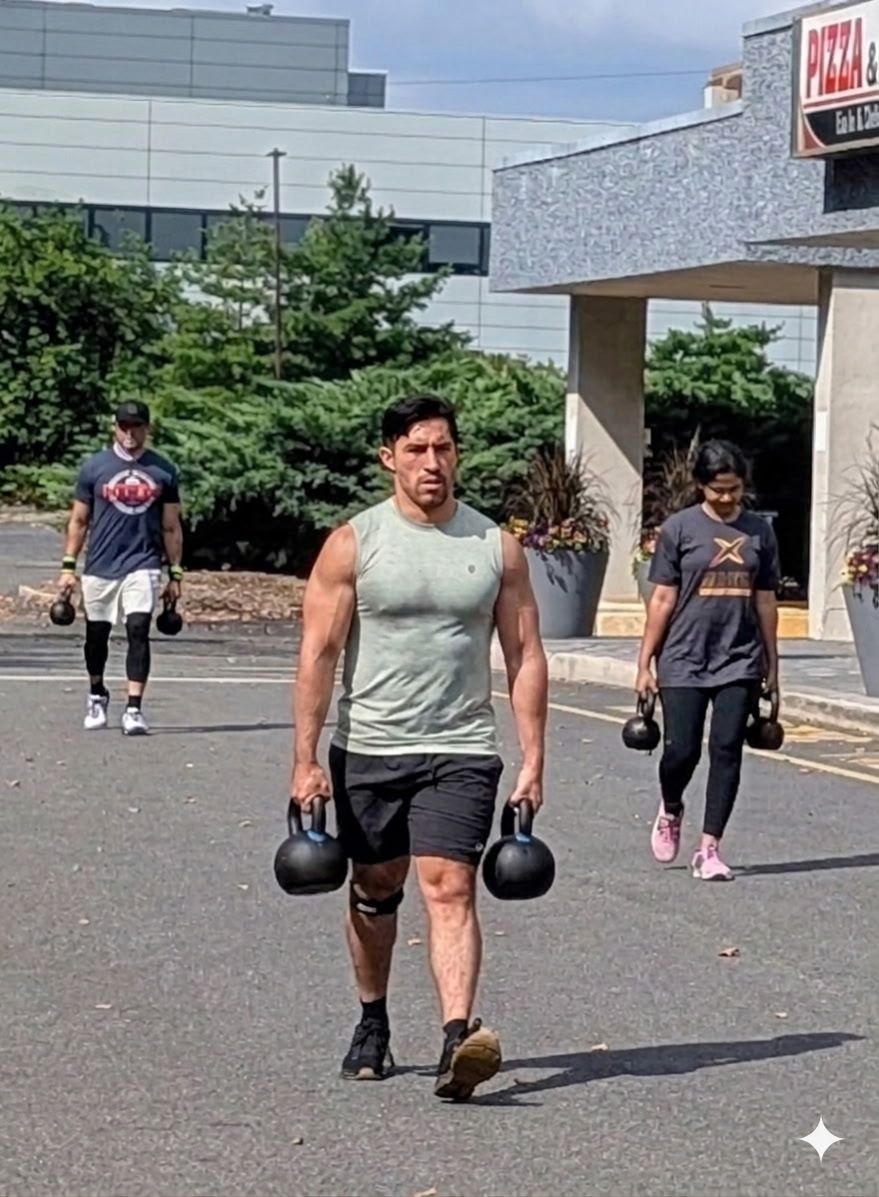
CrossFit programming combines resistance training, cardiovascular conditioning, and functional movement in a varied, coached format. The combination is deliberate. Resistance training builds and preserves muscle mass and bone density. Cardiovascular conditioning improves heart health, metabolic efficiency, and endurance. Functional movement (the squat, the hinge, the press, the pull, the carry) develops the patterns your body uses in real life and maintains the mobility and coordination that decline significantly with age and inactivity.
The health outcomes associated with consistent CrossFit training in the research literature include meaningful reductions in blood pressure, improvements in blood sugar regulation and insulin sensitivity (which is directly relevant to the management and prevention of Type 2 diabetes), increases in bone mineral density (which is the primary defense against osteoporosis, particularly in women over 40), improvements in cardiovascular fitness as measured by VO2 max, and significant changes in body composition including reductions in body fat and increases in lean muscle mass.
These are not cosmetic outcomes. They are the health markers your physician is tracking at your annual physical and that determine your risk profile for the chronic diseases that become increasingly relevant after 40. A well-designed CrossFit program, sustained over time, moves those markers in the right direction. The alternative (a sedentary lifestyle or inconsistent, poorly structured exercise) moves them in the wrong direction. The risk calculation, viewed honestly, does not favor inactivity.
The Variables That Actually Determine Safety
CrossFit safety is not a fixed characteristic of the methodology. It is a function of three specific variables, all of which are within the control of a well-run gym. Understanding these variables is the most useful thing you can do when evaluating whether a particular CrossFit gym is right for you.
First: The Quality of the Coaching
This is the single most important variable and the one that separates a safe CrossFit experience from an unsafe one more reliably than any other factor.
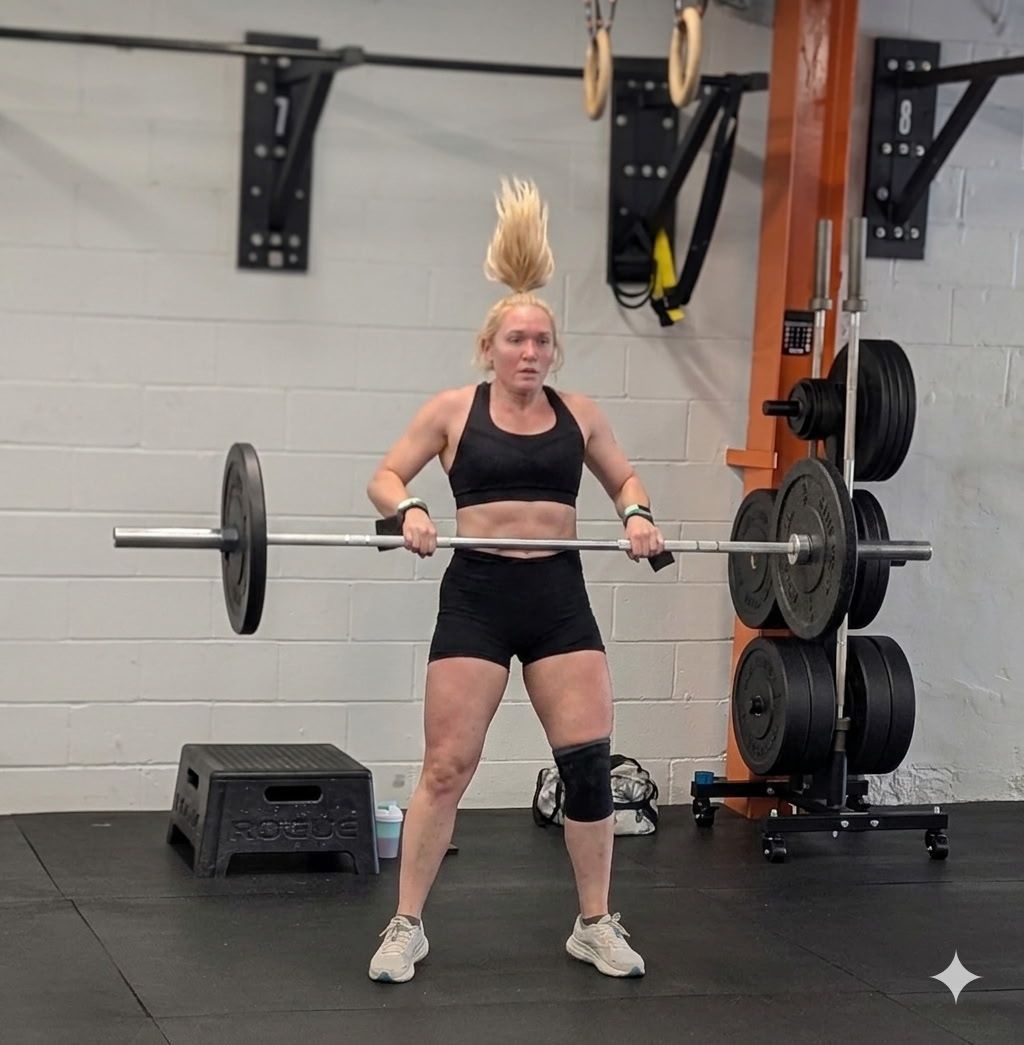
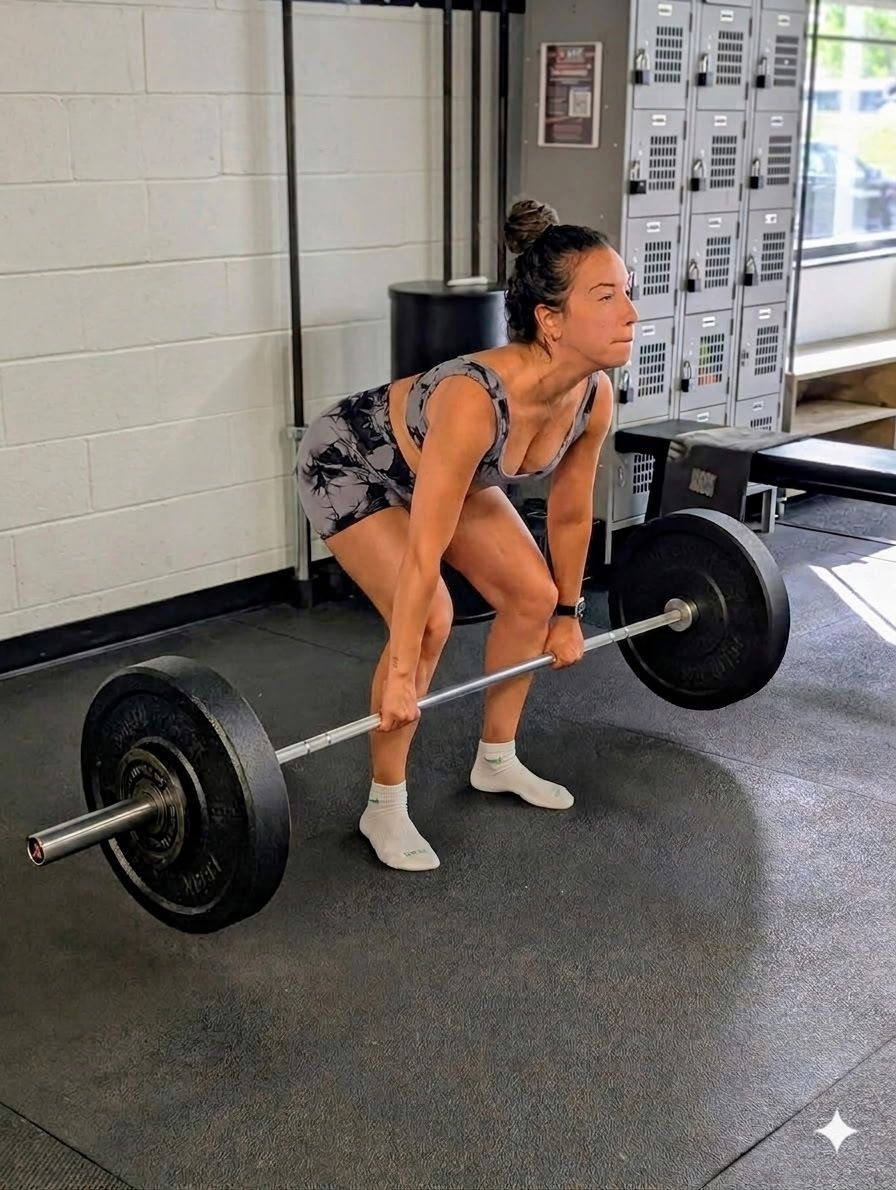
A qualified, attentive coach does several things simultaneously that are critical for beginner safety. They teach movement patterns correctly from the beginning, which prevents the accumulation of poor mechanics that eventually produce pain or injury. They watch what you are doing during every session and correct deviations before they become habits. They make real-time decisions about your load and intensity based on how you are actually performing rather than how the program is written. They understand the difference between the discomfort of productive effort and the warning signals of impending injury, and they respond to those signals appropriately.
A coach who is distracted, undertrained, managing too many athletes simultaneously, or more interested in pushing intensity than ensuring sound mechanics is a meaningful safety risk regardless of the methodology they are using. This is why the gym matters as much as the program. CrossFit in the hands of a skilled, attentive coach is a very different experience from CrossFit in the hands of someone who is not.
Second: A Genuine Onboarding Process
Walking into a
CrossFit group class as a complete beginner without any preparation is a recipe for a poor experience. Not necessarily an unsafe one, but one that is almost guaranteed to be overwhelming, confusing, and likely to leave you feeling like CrossFit is not for you. The movements are unfamiliar. The terminology is specific. The class moves at a pace that assumes a baseline of knowledge you have not yet acquired. Even with the best coaching in the room, a group class cannot provide the individualized instruction a beginner needs at the beginning.
A quality CrossFit gym addresses this with a structured onboarding program. At CrossFit Secaucus, that program is our OnRamp: four private one-on-one sessions that cover every foundational movement in our programming before a new member ever joins a group class. By the end of those four sessions the movements are familiar, the scaling options are understood, and the new member has a working relationship with their coach. The transition into the group class environment is prepared rather than abrupt, and the experience is fundamentally different as a result.
An
OnRamp program is also where a responsible coach learns what they need to know about you before putting you under a barbell. Your injury history. Your movement restrictions. Your current fitness level and how your body responds to exertion. The limitations that need to be accommodated and the patterns that need to be developed. That information, gathered before training begins in earnest, is what allows subsequent programming to be genuinely appropriate rather than generically assigned.
Third: A Genuine Scaling Philosophy
Scaling is the mechanism by which CrossFit becomes appropriate for every individual regardless of their current fitness level, age, injury history, or physical limitations. It means adjusting the load, the movement, the volume, or the intensity of a workout to match what a specific person can do safely and productively right now.
The important distinction is between scaling as a genuine coaching philosophy and scaling as a token gesture. A gym with a genuine scaling philosophy has an appropriate version of every workout for every person in the room, and the coach finds that version proactively rather than waiting for someone to struggle. A gym where scaling means being told to use less weight has missed the point entirely.
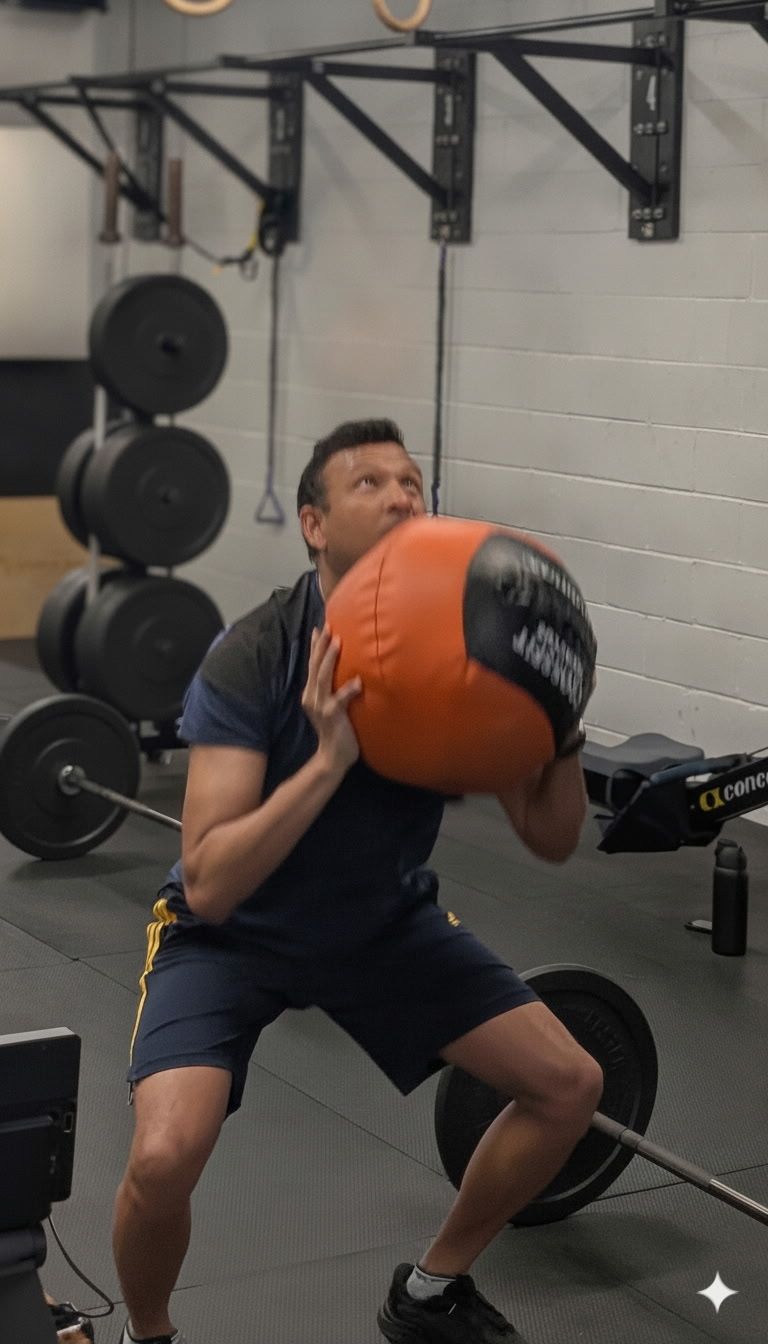
At CrossFit Secaucus, scaling is not a modification applied to beginners who cannot do the real workout. It is the correct workout for where a specific person is right now. An experienced member performing a heavy barbell complex and a newer member performing the same movement pattern with a lighter load or a modified version of the movement are both doing the appropriate version of that day's training. The goal, the stimulus, and the coaching attention are the same. The application is different because the people are different. That is intelligent programming, not compromise.
Addressing the Most Common Safety Concerns Directly
I am concerned about my joints and previous injuries
This is the most common specific concern I hear and it deserves a direct answer. Previous injuries and joint issues are not disqualifying conditions for CrossFit training. They are information that a good coach uses to build a program that works around existing limitations while systematically developing the strength and mobility that support long-term joint health.
In many cases the functional strength and movement quality developed through properly scaled CrossFit training improves joint health over time rather than compromising it. The muscles surrounding a joint provide structural support for that joint. Building those muscles through appropriate loading reduces stress on the joint rather than increasing it. A knee that aches when you climb stairs often aches because the musculature supporting it is insufficiently developed, not because it cannot tolerate load. Developing that musculature carefully and progressively is frequently part of the solution rather than part of the problem.
What we do not do is ignore existing conditions or push through warning signals. If something hurts in a way that signals damage rather than productive effort, we stop, we assess, and we find an alternative. Every time.
I am worried about the intensity being too much for me
Intensity in CrossFit is always relative to the individual. A workout that is appropriately intense for an experienced athlete would be entirely inappropriate for a beginner at the same load and volume, and a well-coached gym never applies the same intensity standard to both. Your intensity is calibrated to your current capacity, not to some external standard you may not be ready for.
Furthermore, intensity is introduced gradually. The first several weeks of training for a new member are deliberately focused on movement quality and baseline conditioning rather than pushing the upper limits of effort. Building a foundation of sound mechanics before adding intensity is not only safer but more effective. Intensity applied to poor movement patterns produces faster deterioration of those patterns. Intensity applied to solid movement patterns produces adaptation and improvement.
I have not exercised in years and I am worried I am too far gone
You are not. I have worked with people in their
50s and 60s
who had not been in a gym in a decade or more and who built genuine strength, significantly improved their cardiovascular fitness, lost meaningful amounts of body fat, and in several cases reduced or eliminated medications they had been taking for years. The human body retains a remarkable capacity for adaptation at any age when given the right stimulus, appropriate recovery, and consistent application over time.
The starting point does not determine the outcome. The consistency and quality of the process do. We start wherever you are. That is not a marketing line. It is operationally true in the way our program is designed.
How to Evaluate Whether a CrossFit Gym Is Actually Safe
Because the safety of CrossFit is so dependent on the quality of the coaching environment, here is a practical framework for evaluating any CrossFit gym you are considering, including this one.
Ask about the onboarding process. A gym that lets beginners walk straight into group classes without any preparation is telling you something important about how seriously they take the beginner experience. A gym with a structured, substantive onboarding program that includes real movement instruction and a genuine assessment of your current capacity is telling you something different.
Ask about class sizes. A coach managing twenty-five people simultaneously cannot see what any individual person is doing well enough to ensure safe technique. Small class sizes are a coaching quality indicator, not just a comfort preference.
Observe the culture. Does the gym celebrate people for pushing past reasonable limits or for moving well and progressing consistently? Does the coaching culture prioritize intensity over mechanics or mechanics over intensity? The answers to those questions predict your experience more reliably than any marketing material.
Talk to the coach before you commit. A coach who takes time to understand your history, your goals, and your limitations before your first session is a coach who is invested in your outcome. A coach who hands you a waiver and points you toward the whiteboard is telling you something different.
Frequently Asked Questions
Is CrossFit safe for complete beginners with no gym experience?
Yes, in a properly run gym with a genuine onboarding process, experienced coaching, and a real scaling philosophy. A complete beginner at CrossFit Secaucus goes through four private one-on-one sessions before joining any group class. Those sessions establish foundational movement quality, introduce appropriate scaling options, and give the coach the information needed to make every subsequent session appropriate for that specific person. By the time a new member joins a group class they are prepared, not dropped into the deep end.
What are the most common CrossFit injuries and how does CrossFit Secaucus prevent them?
The most common injuries in CrossFit, as in most forms of physical training, are associated with poor movement mechanics under fatigue, excessive load relative to current strength, and insufficient recovery between sessions. At CrossFit Secaucus these risks are addressed through coaching attention in every session (catching and correcting movement deterioration before it produces injury), genuine scaling (ensuring load is always appropriate to current capacity rather than ego-driven), and programming that builds in adequate recovery rather than maximizing volume for its own sake. No training environment eliminates injury risk entirely. A well-run CrossFit gym reduces it to a level that is acceptable relative to the substantial health benefits of consistent training.
Can I do CrossFit if I have high blood pressure or other health conditions?
For most people with managed health conditions, appropriately scaled CrossFit training is not only safe but specifically beneficial. Research consistently shows meaningful reductions in blood pressure, improvements in blood sugar regulation, and cardiovascular health improvements associated with consistent functional fitness training. However, any individual with a significant health condition should discuss starting a new exercise program with their physician before beginning. During your No Sweat Intro we discuss your health history in detail and coordinate with any medical guidance you have received. We do not take unnecessary risks with anyone's health and we err on the side of caution when the situation calls for it.
How is CrossFit Secaucus different from other CrossFit gyms I may have heard negative things about?
CrossFit as an industry is inconsistent and it is worth acknowledging that directly. A well-run CrossFit gym with small classes, experienced and attentive coaching, a substantive onboarding program, and a culture that prioritizes mechanics and long-term health over intensity and ego produces a fundamentally different experience from a poorly run gym that does none of those things. At CrossFit Secaucus every new member goes through four private OnRamp sessions before joining group classes. Every class is coached by me personally. Class sizes are kept deliberately small. The programming is designed for long-term health and sustainability, not short-term intensity. Those are not generic claims. They are specific operational choices that directly affect your safety and your experience.
The Most Useful Next Step
If you have been asking whether CrossFit is safe, the most useful thing you can do now is come in and see for yourself. Not commit to anything. Not sign up for a membership. Just have a conversation with a coach who has been doing this for over a decade and who can answer your specific questions based on your specific situation.
The No Sweat Intro at CrossFit Secaucus is free, takes about thirty minutes, and involves no workout and no commitment of any kind. We talk about your goals, your history, your concerns, and whether this environment is genuinely the right fit for what you are trying to accomplish. If it is not, I will tell you that honestly.
If you are in Secaucus, North Bergen, Kearny, Jersey City, Hoboken, or anywhere in the Hudson County area and you have been on the fence about whether this is right for you, this is the lowest-risk possible way to find out.
Book your free
No Sweat Intro here.
CrossFit Secaucus is located in Secaucus, New Jersey and serves adults throughout Hudson County including Secaucus, North Bergen, Kearny, Jersey City, Hoboken, and the surrounding area. We specialize in beginner-friendly CrossFit coaching, OnRamp programs, and personal training for adults of all ages and fitness levels.