CrossFit After 50 in Secaucus NJ: Why Your 50s Might Be the Best Time to Start
An honest breakdown of what changes in your body after 50, why the stakes are higher than most people realize, and what adults in this decade are actually capable of building.
By Rob Zych | CrossFit Secaucus | Secaucus, NJ
The question I hear most often from adults in their 50s who are considering CrossFit is not about the programming or the pricing or the schedule. It is some version of this: am I too old for this?
I understand why the question gets asked. The fitness industry has spent decades sending a clear if largely unspoken message about who serious training is for, and that message has not historically included adults in their 50s who have never done anything like this before. The images, the culture, the language of most gyms communicates a target demographic that is younger, already fit, and already familiar with what they are doing. Walking into that environment at 53 with no barbell experience and a knee that has been bothering you for two years requires a certain amount of courage that most marketing completely ignores.
So let me answer the question directly before anything else. No. You are not too old. And I want to make a stronger case than that: your 50s may actually be the single most important decade to build the physical foundation that determines what the next twenty to thirty years of your life look like. Not the most comfortable decade to start. The most important. There is a difference and it matters.
Why the 50s Are a Critical Decade for Physical Health
The physiological changes that accelerate through the 50s are real and they are significant. Acknowledging them honestly is not pessimistic. It is the foundation for understanding why the training response to those changes is so consequential.
Muscle Mass Decline Accelerates
Sarcopenia (the age-related loss of muscle mass) progresses at roughly 3 to 5 percent per decade from the mid-30s onward in the absence of resistance training. By the time most adults reach their mid-50s without a meaningful strength training history, the cumulative loss of muscle mass is significant enough to affect metabolic rate, functional strength, balance, and the physical resilience that determines recovery from illness, injury, and the physical demands of daily life.
The critical point is this: the window for reversing this trajectory is still wide open in your 50s. Research consistently demonstrates that adults in their 50s who begin consistent progressive resistance training make meaningful gains in muscle mass and strength. The response is slower than it would have been at 35 and the hormonal environment is less favorable, but the capacity for adaptation is genuinely present. Adults who begin resistance training in their 50s and sustain it consistently arrive at their 60s and 70s with meaningfully better physical function, independence, and quality of life than those who waited or did not start at all.
Bone Density Loss Becomes More Urgent
For women, the decade following menopause is the period of most rapid
bone density loss, driven by the sharp decline in estrogen that accompanies the menopausal transition. The statistics on osteoporosis in women over 50 are sobering: approximately one in two women over 50 will experience an osteoporosis-related fracture in their lifetime. Hip fractures in particular carry serious consequences for independence and quality of life in later years.
For
men, bone density loss is more gradual but equally real, driven by the progressive decline in testosterone that accelerates through the 50s. Men over 50 are significantly more likely to develop osteoporosis than is commonly understood, partly because the condition is so strongly associated with women in public health messaging that men often do not know to be concerned about it.
The intervention with the strongest evidence base for maintaining and improving bone density in both men and women over 50 is progressive load-bearing resistance training. Not calcium supplements alone. Not walking. Not any cardio-based modality. Lifting things under appropriate coaching and progressive load. This is what CrossFit provides and it is one of the most
medically significant benefits
of this kind of training for adults in this age group.
Cardiovascular Risk Increases Meaningfully
The decade of the 50s sees a meaningful increase in cardiovascular disease risk for both men and women. For women specifically, the loss of estrogen's cardiovascular protective effects after menopause brings their risk profile closer to that of men of the same age. For men, the accumulated effects of decades of lifestyle factors combined with hormonal decline produce a risk profile that deserves serious attention.
Consistent cardiovascular conditioning, particularly in combination with resistance training, is one of the most effective interventions available for managing this risk. It improves blood pressure, cholesterol profiles, insulin sensitivity, and the structural health of the cardiovascular system itself. Adults in their 50s who engage in consistent combined training dramatically reduce their risk of the cardiovascular events that are among the leading causes of death and disability in this age group.
Functional Decline Becomes Noticeable
Many adults in their 50s describe a specific experience that is difficult to attribute to any single cause: things that used to be easy are harder. Getting up from the floor. Carrying groceries. Climbing stairs without the knees complaining. Moving furniture. Keeping up with grandchildren or younger family members. This is the early manifestation of functional decline and it is one of the most motivating factors for adults in this age group who decide to do something about their fitness.
The good news is that functional decline in the 50s is not inevitable and it is not irreversible. The strength, mobility, and cardiovascular capacity that determine functional performance all respond to appropriate training at this age. Members of CrossFit Secaucus in their 50s consistently report that movements and activities that felt difficult or impossible before training became manageable within the first few months of consistent work. That trajectory, begun in the 50s, has compounding effects that extend well into the 60s and 70s.
The decade of the 50s is not too late to build the physical foundation that determines quality of life for the next twenty to thirty years. It is arguably the last decade where that foundation can be built with maximum effect. The urgency is real. So is the opportunity.
What CrossFit Actually Looks Like for Adults in Their 50s
Let me be specific about this because the gap between what most adults in their 50s imagine CrossFit looks like and what it actually looks like in a well-run gym for someone in their demographic is significant.
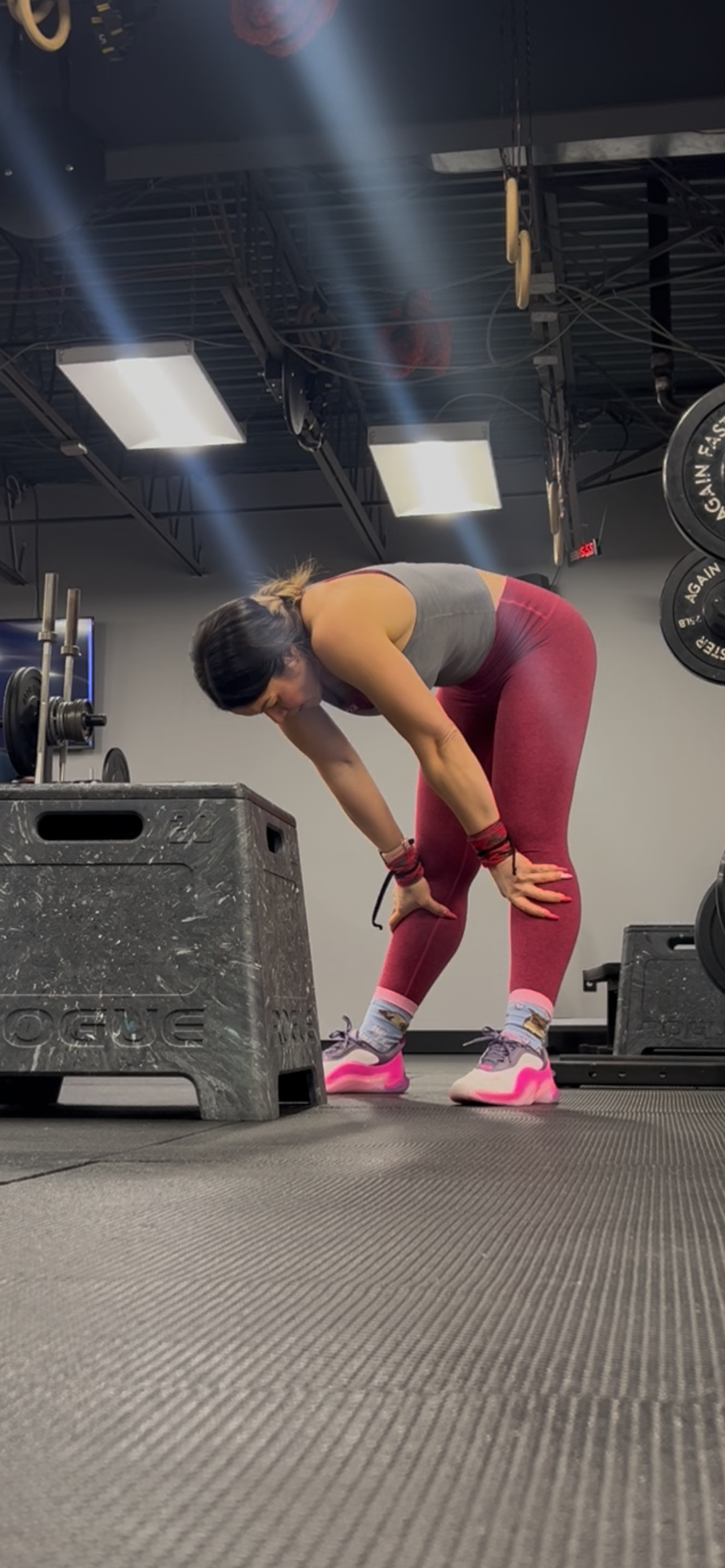
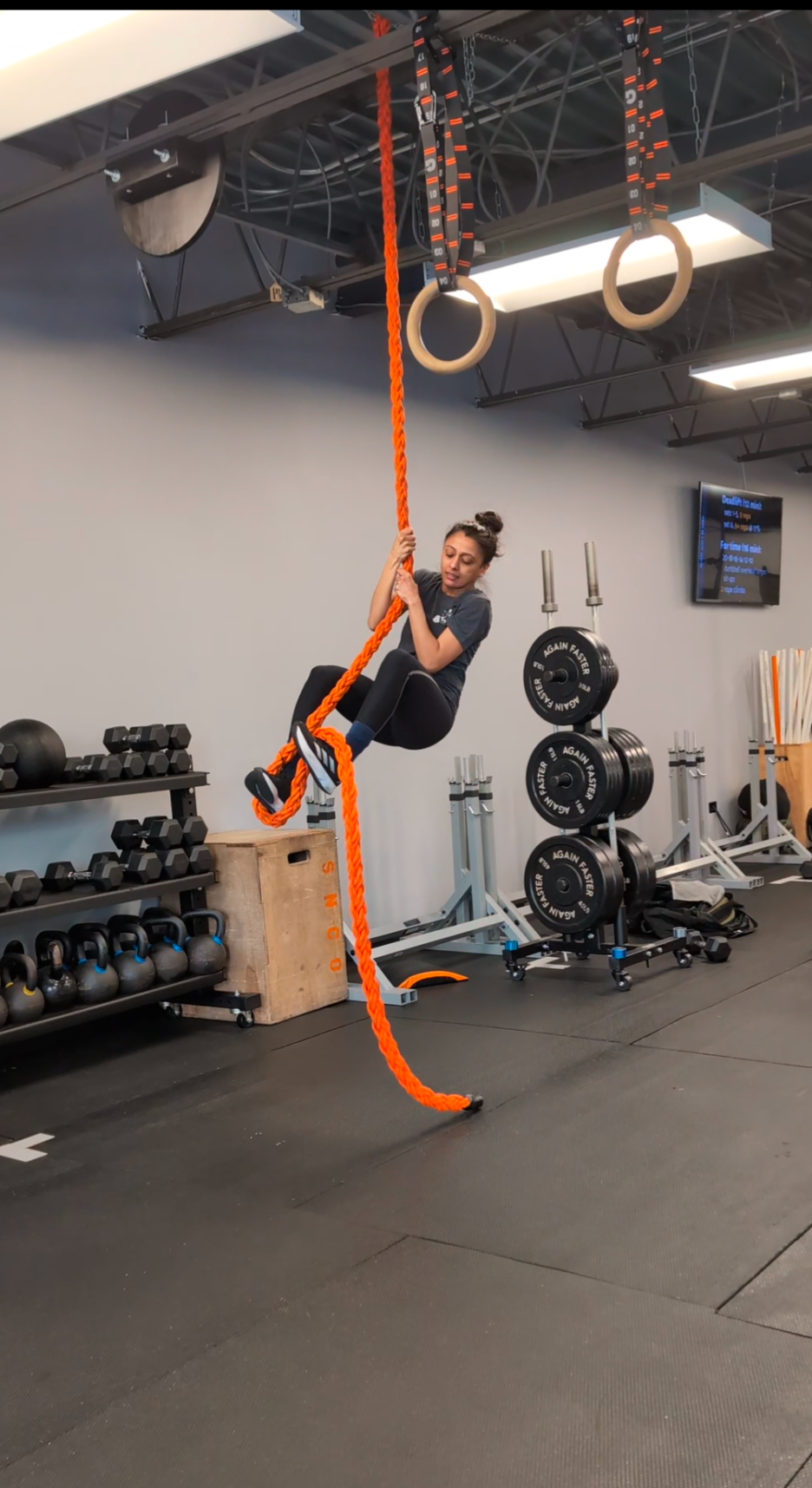
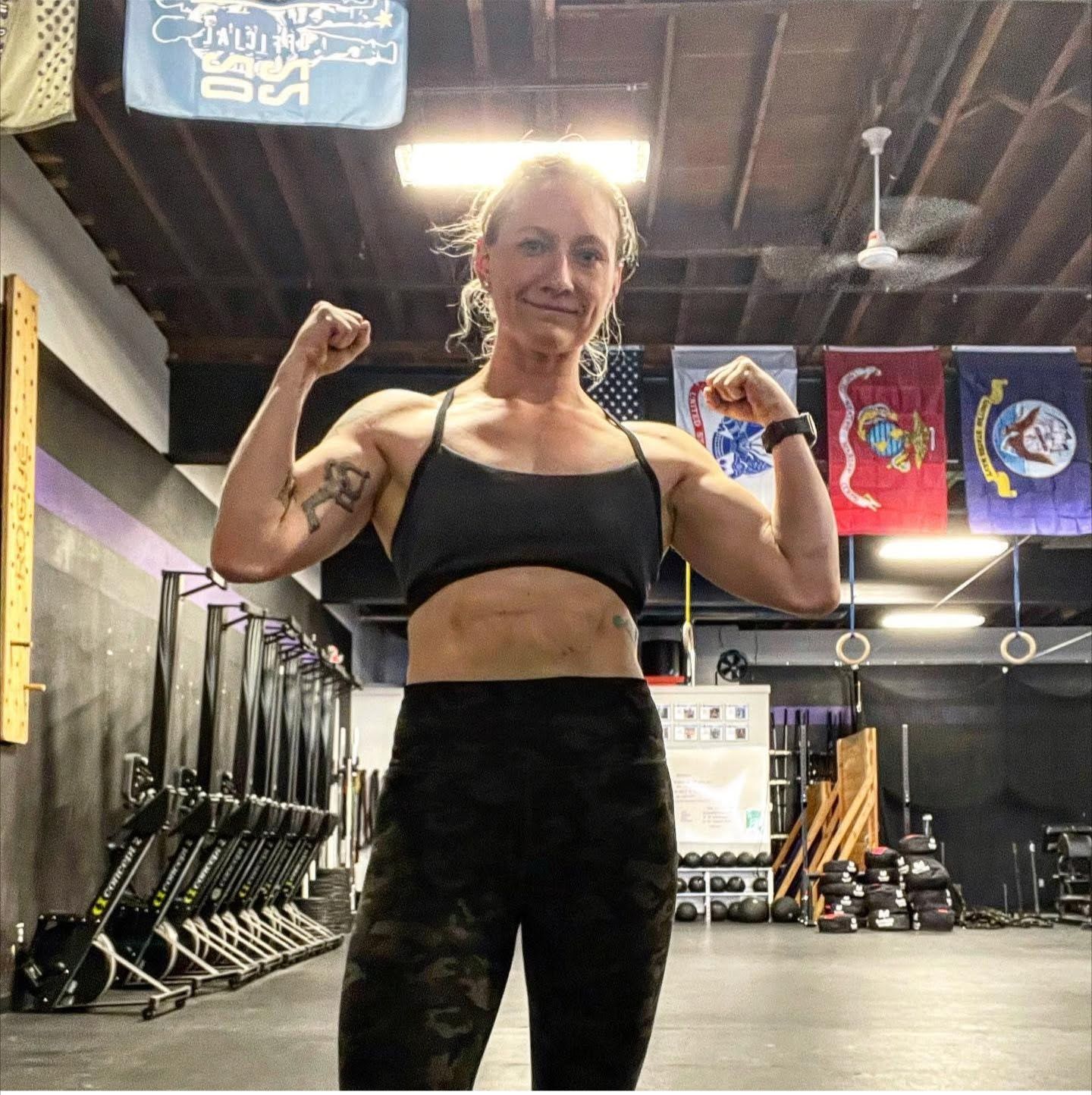
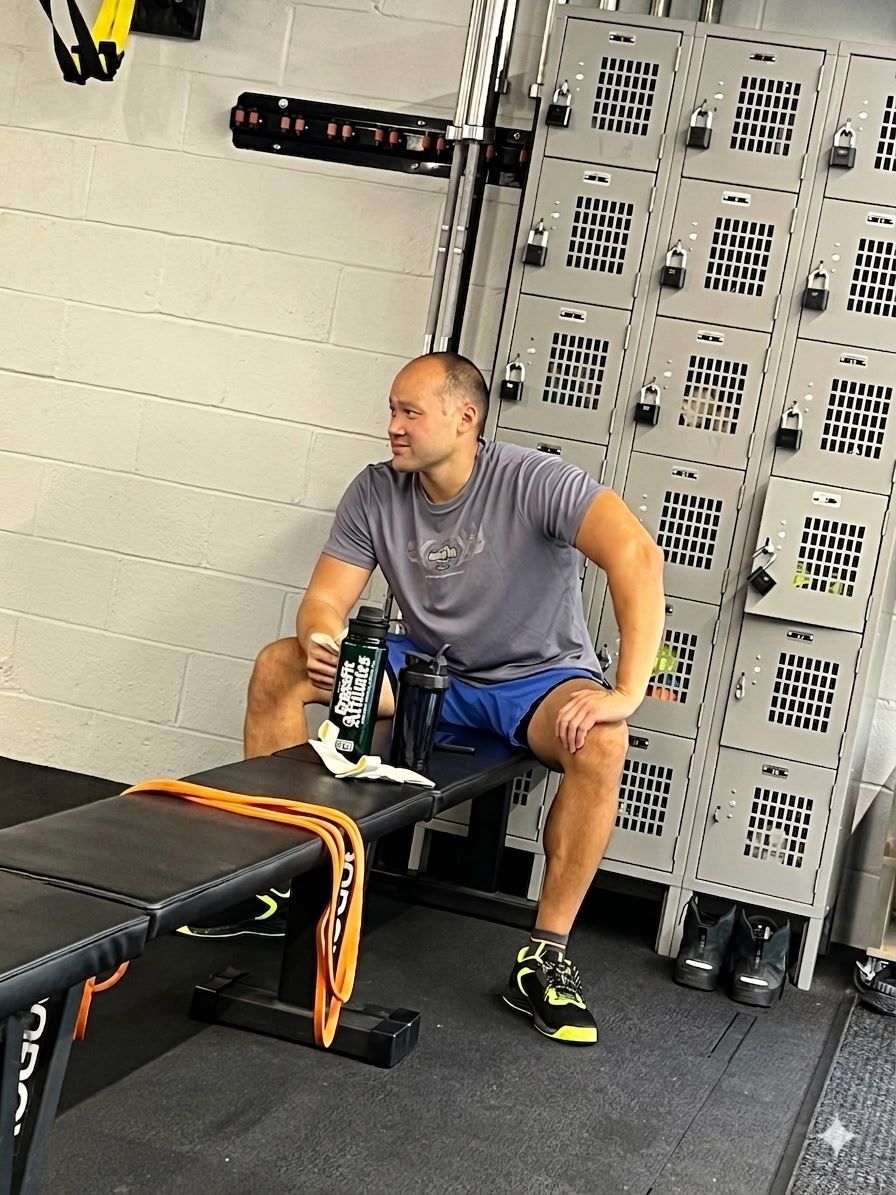
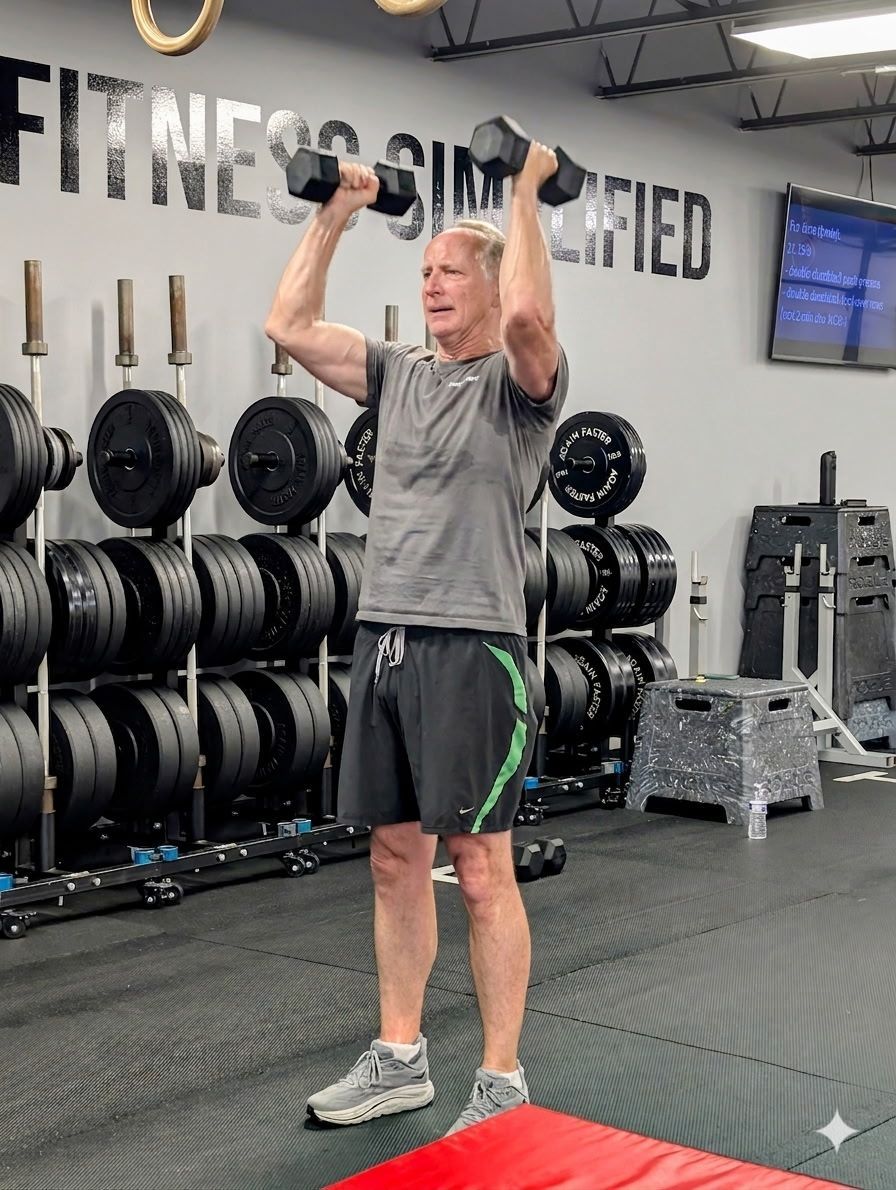
Approximately 12 percent of our members at CrossFit Secaucus are over 50. They are not outliers or exceptions being accommodated at the edges of a program designed for younger athletes. They are regular members of a community that trains together several times a week, scales appropriately to their individual capacity and physical reality, and consistently makes progress that their physicians notice and remark on at annual physicals.
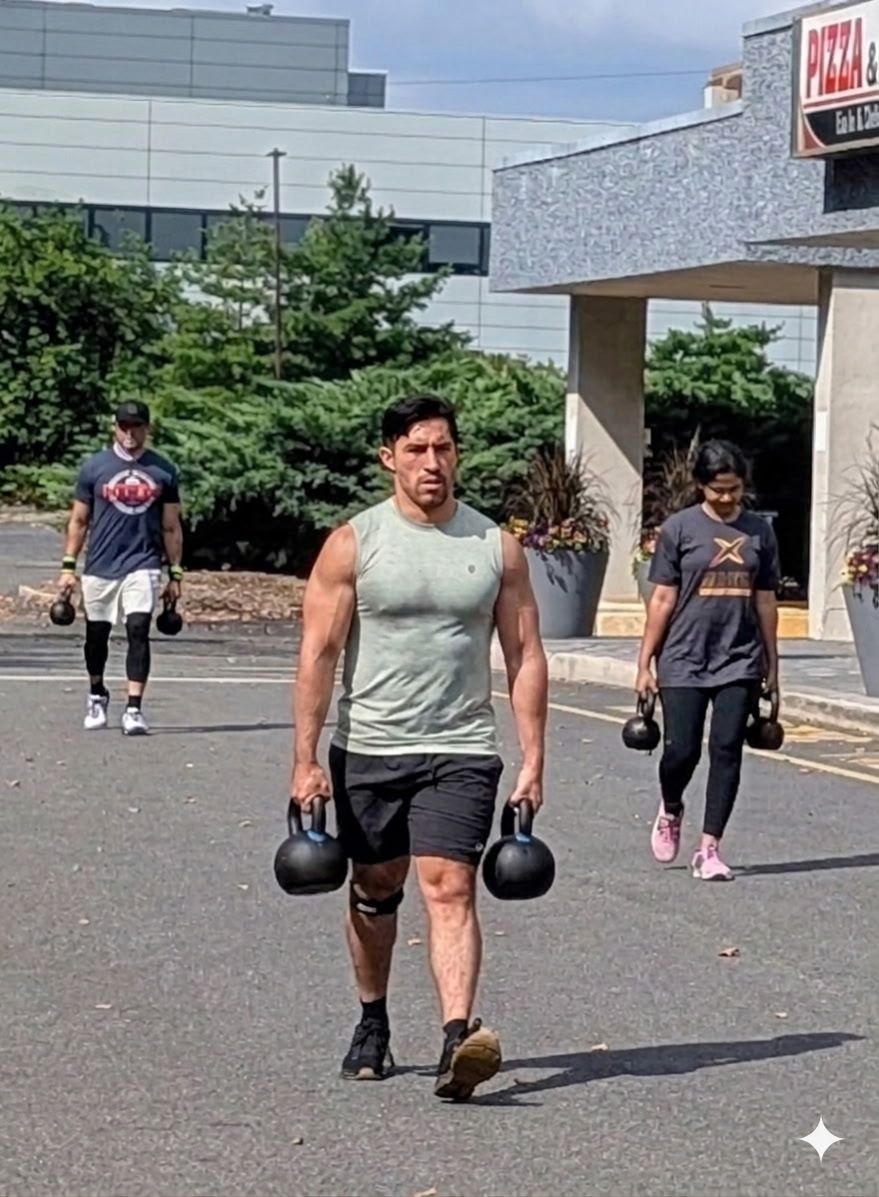
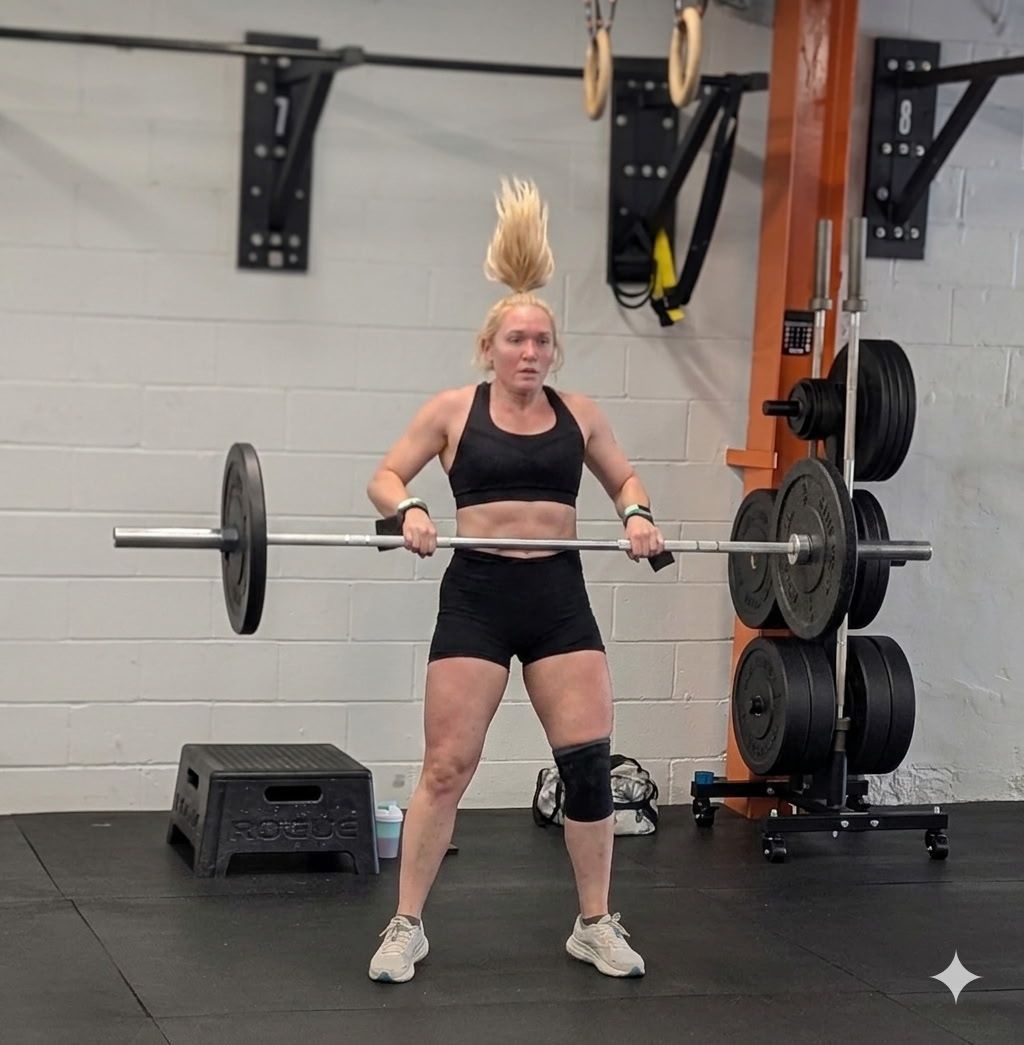
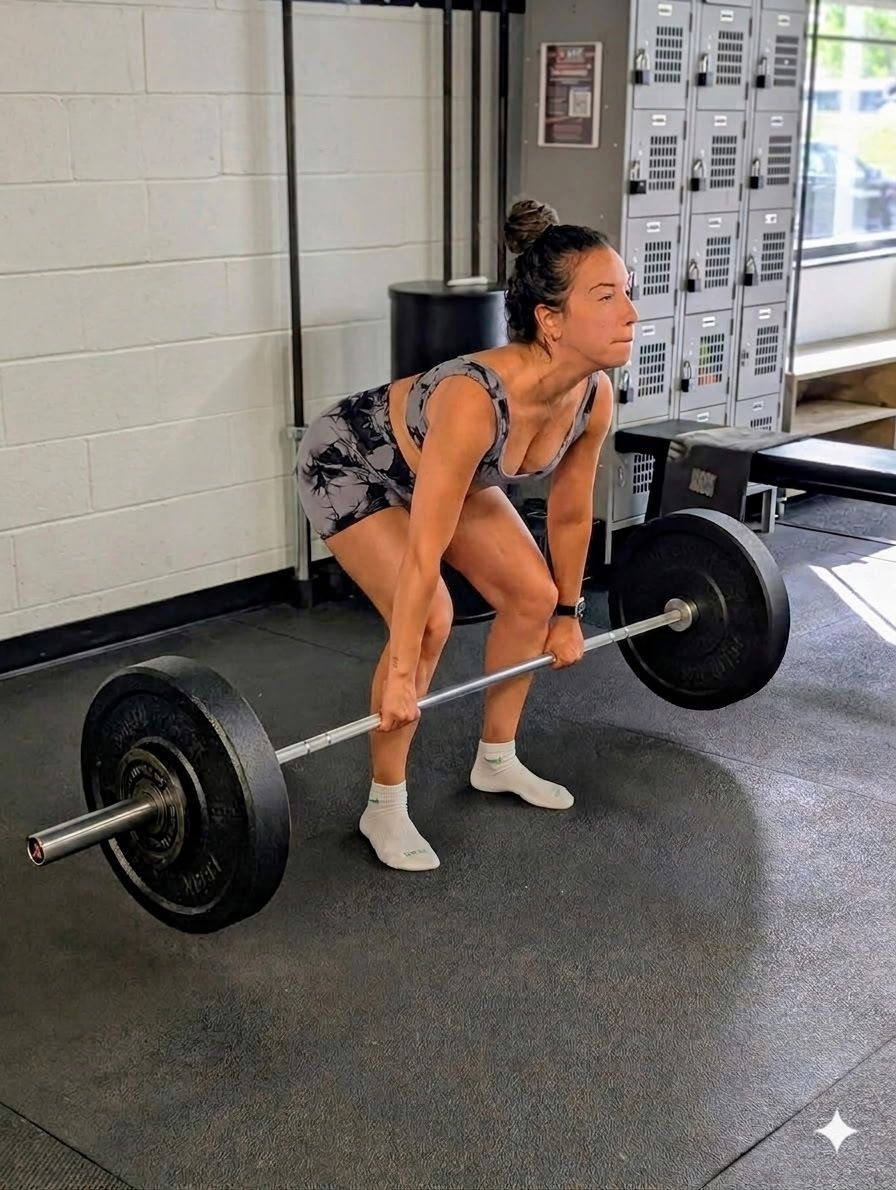
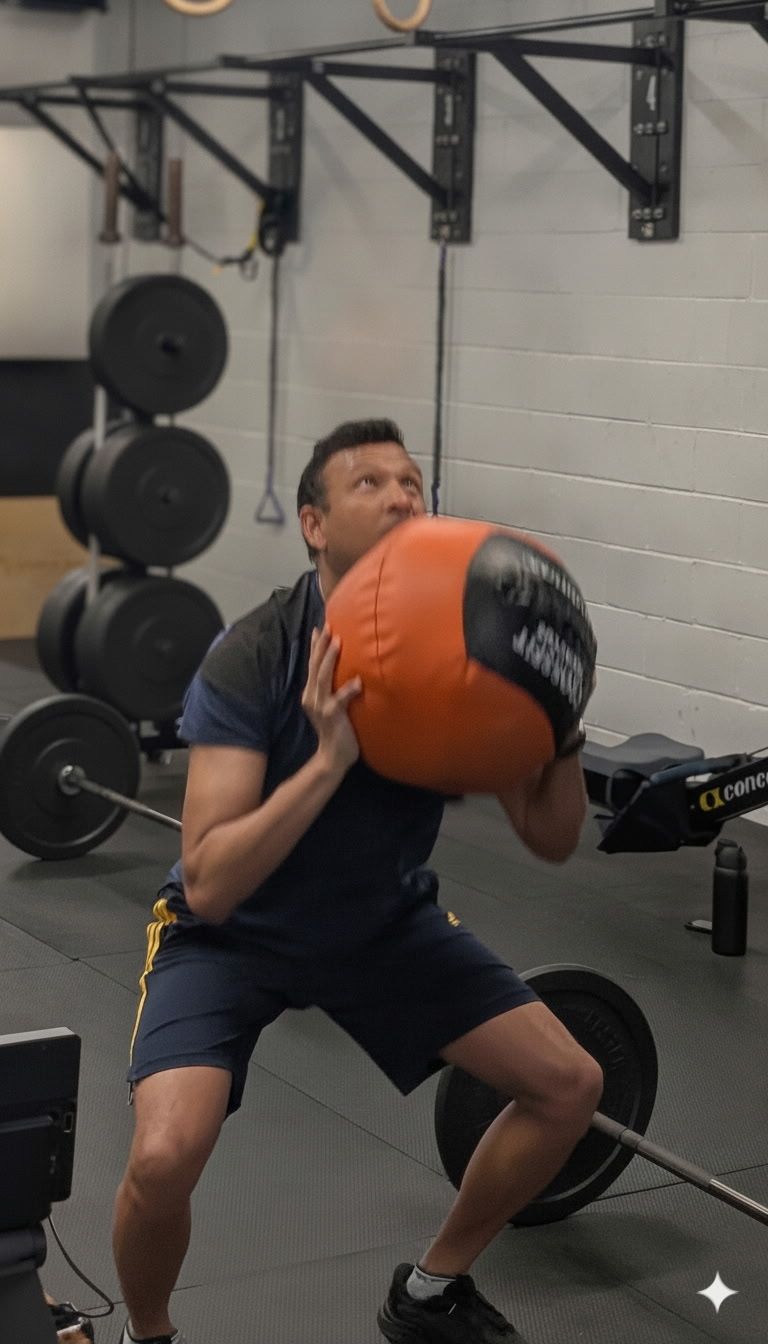
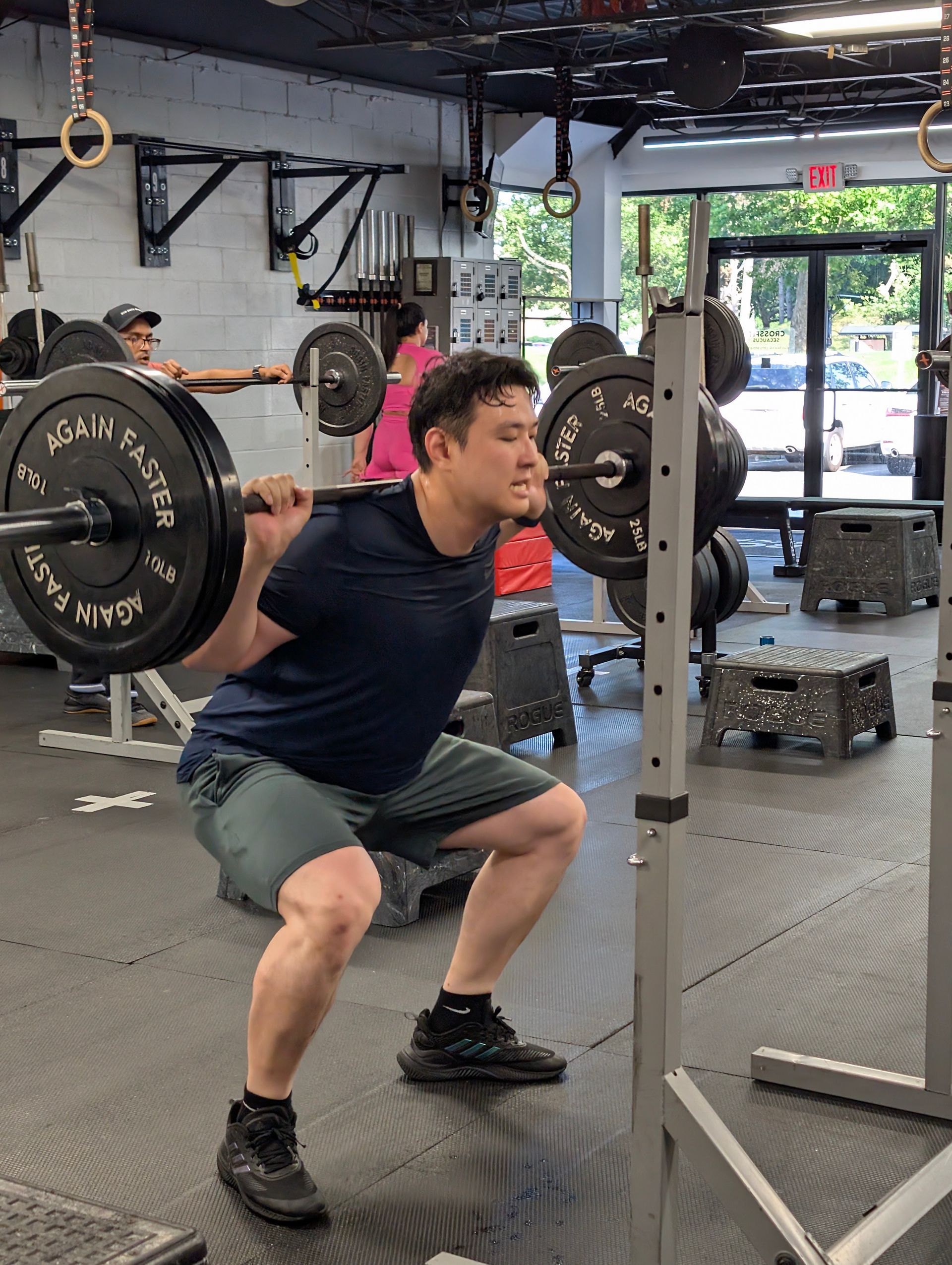
What a typical class looks like for a member in their 50s at CrossFit Secaucus: a structured warm-up that prepares the specific joints and muscles being used that day, a strength or skill segment with loading appropriate to current capacity, and a conditioning workout that is challenging but scaled to produce productive effort rather than survival mode. The movements are functional: squats, deadlifts, pressing, pulling, rowing, running variations. The loads are what your body can handle right now, not what the program prescribes in the abstract. The coaching is present throughout, not standing at the front of the room watching from a distance.
What it does not look like: athletes dropping heavy barbells from overhead, competitive athletes pushing at intensities that are appropriate for their level of development but not for someone new to this kind of training, a culture where scaling is seen as inadequacy rather than intelligence. Those things exist in some CrossFit environments. They do not exist here.
The Specific Concerns I Hear From Adults in Their 50s
The concerns that come up most often in conversations with adults in this age group are specific enough to deserve direct answers rather than generic reassurance.
I have too many injuries and physical limitations to do something like this
This is the most common concern and the one I want to address most directly. Physical limitations and injury histories are not obstacles to training at CrossFit Secaucus. They are information that shapes the program from the beginning. Our
OnRamp process (four private one-on-one sessions before joining group classes) is specifically designed to surface exactly this information and build around it. The knee that has been bothering you for three years, the shoulder surgery from five years ago, the lower back issue that has been managed but not resolved: all of these become inputs to a program that works around current limitations while systematically developing the strength and mobility that address them over time.
I will also say something that surprises most adults in their 50s when they hear it. A significant number of the physical complaints that feel like permanent limitations (chronic knee pain, recurring back problems, persistent shoulder discomfort) are at least partially a function of the muscular weakness and movement pattern deterioration that accompanies years of reduced physical activity. Building the strength and movement quality around these areas frequently produces improvements in symptoms that years of stretching, medication, and avoidance did not. Not in every case and not overnight, but consistently enough that I have watched it happen many times.
I will not be able to keep up with the other members
This concern reveals a misunderstanding of how scaling works in CrossFit that is worth clearing up. In a well-coached CrossFit class, every member is doing the workout at the load and volume appropriate for their current capacity. A member who has been training for three years and a member who joined last month are both doing the same workout. The experienced member is doing it at a weight and intensity that challenges them at their level. The newer member is doing it at a weight and intensity that challenges them at their level. Nobody is keeping up with anyone else because the workout is designed to be appropriately challenging for everyone simultaneously.
The class size at CrossFit Secaucus is deliberately small, which means the coach can find the right version of every workout for every person in the room and do it proactively rather than reactively. You will not be in a class of twenty-five people where you have to figure out your scaling on your own. You will be in a class where your coach already knows your history and your capacity and has already thought about what the appropriate version of today's workout looks like for you specifically.
I am worried about getting hurt
This is a legitimate concern and it deserves a real answer. The injury risk in CrossFit, as in any physical training, is most directly associated with poor coaching, inadequate scaling, and attempting movements or loads that exceed current capacity. A well-run gym with experienced coaching, small class sizes, a genuine onboarding process, and a culture that prioritizes mechanics over intensity addresses all three of these risk factors directly.
For adults in their 50s specifically, the OnRamp process is where the foundation of safe training is established. Four private sessions give me the time to assess how you move, understand your injury history in detail, establish what loading is appropriate for your current capacity, and teach the movement patterns that underpin everything we do before you ever train in a group setting. The adults in their 50s who have the worst CrossFit experiences elsewhere are almost always those who were dropped into group classes without preparation at gyms that did not take the onboarding process seriously.
Is it too late to see real results at my age
No. The research on training adaptations in adults over 50 is consistently more encouraging than most people in this age group expect. Strength gains are achievable and meaningful. Muscle mass can be built and maintained. Bone density can be improved. Cardiovascular fitness responds to conditioning at any age.
Body composition changes with consistent training and appropriate nutrition. The timeline is somewhat longer than it was at 35 and the recovery requirements are greater, but the physiological capacity for meaningful adaptation is present and the results are real.
The members of CrossFit Secaucus in their 50s are among the most motivated and most consistent in our community, in part because they understand the stakes more clearly than younger members often do. They are not training for aesthetics or athletic performance. They are training for the quality and independence of the next several decades of their lives. That is a profoundly motivating reason to show up consistently and it produces the kind of long-term adherence that younger members sometimes struggle to maintain.
How We Work With Adults Over 50 Specifically
CrossFit Secaucus is owned and coached by Rob Zych and Debbie Crespo, both CrossFit Level 2 certified coaches with extensive experience working with adults across a wide range of ages, fitness levels, and physical conditions. The Level 2 certification is not the entry-level CrossFit credential. It requires demonstrated coaching competency assessed in person by CrossFit's education staff and reflects a meaningful level of coaching development beyond the baseline.
For adults over 50 specifically, our approach involves a few consistent principles that are worth stating explicitly.
First, we take the injury and limitation history seriously and we take time to understand it. Not a checkbox on a form. An actual conversation during the No Sweat Intro and throughout the OnRamp sessions that gives us the information needed to build a program around your physical reality rather than despite it.
Second, we program adequate recovery. Adults over 50 genuinely need more recovery time between high-intensity efforts than younger athletes, and programming that ignores this produces accumulated fatigue and increased injury risk rather than adaptation. Three sessions per week with appropriate intensity management is the structure that produces the best results for most adults in this age group, and it is what we recommend as the starting framework.
Third, we address nutrition as part of the program rather than as a separate consideration. The protein requirements for muscle maintenance and growth in adults over 50 are higher than most people realize, and most adults in this age group are significantly under-eating protein relative to what their training and physiological needs require. We address this directly as part of the OnRamp nutrition consultation.
Fourth, we celebrate the progress that matters for this demographic. Personal records on the barbell are satisfying for any athlete. For adults in their 50s the progress that matters most is often different: a physician reporting improved blood pressure or blood sugar at a follow-up appointment, a movement that was painful becoming pain-free, the ability to do something with a grandchild or a friend that would not have been possible six months earlier. We pay attention to those things because they are the actual point of this work for most adults in this age group.
Frequently Asked Questions
Is CrossFit safe for people over 50?
Yes, in a well-run gym with experienced coaching, a genuine onboarding process, and a real scaling philosophy. CrossFit is not only safe for adults over 50 but is specifically well-suited to the health priorities of this demographic: maintaining muscle mass, supporting bone density, improving cardiovascular health, and preserving the functional capacity that determines quality of life in later decades. The key variables are coaching quality and appropriate scaling, both of which are central to how CrossFit Secaucus operates. Every new member regardless of age goes through four private OnRamp sessions before joining group classes, giving our coaches the time to understand your physical history and build a program that is appropriate for your specific situation.
Can I start CrossFit at 55 or 60 with no prior experience?
Yes. The absence of prior CrossFit experience is not an obstacle. It is simply the starting point from which the OnRamp process begins. We have successfully onboarded adults in their late 50s and early 60s who had never done structured resistance training before and who went on to become consistent, capable members of our community. The movements are teachable at any age. The fitness is buildable at any age. What changes is the timeline and the recovery requirements, not the fundamental capacity for adaptation. The adults who start in their 50s with no prior experience and commit consistently to three sessions per week are often among the most transformed members of our community at the twelve and eighteen month marks.
What are the most important fitness goals for adults over 50?
From a long-term health standpoint, the most important fitness goals for adults over 50 are maintaining and building muscle mass (which drives metabolic rate, functional strength, and bone density), preserving cardiovascular fitness (which manages the elevated cardiovascular risk profile of this age group), and maintaining the functional movement quality that determines independence and physical capability in later decades. A complete fitness program for adults over 50 addresses all three of these simultaneously, which is exactly what a well-coached CrossFit program provides. Aesthetic goals and performance goals are valid secondary objectives but they are most effectively pursued on top of the health foundation rather than instead of it.
How does CrossFit Secaucus accommodate members with osteoporosis or osteopenia?
Progressive load-bearing resistance training is one of the most evidence-based interventions for improving bone density in adults with osteopenia or osteoporosis, and it is a core component of what we do. For members with diagnosed bone density conditions, we work within any physician-provided guidance about loading limits or movements to avoid, and we build progressively from wherever is appropriate given the current condition. The goal is to provide the bone-stimulating load-bearing stimulus that drives bone density improvement while respecting the structural realities of the individual's current bone health. We strongly encourage members with bone density concerns to keep their physician informed of their training and to share any exercise-related guidance their physician provides with us so we can incorporate it appropriately.
The Conversation Worth Having
If you are in your 50s and you have been considering whether something like this might be right for you, I want to suggest that the question worth asking is not whether you are too old. The question worth asking is what the next twenty years look like if you start now versus what they look like if you keep waiting.
The adults in their 50s who have been training at CrossFit Secaucus for one, two, three years describe a consistent experience: they feel better than they have in a decade. Not because we gave them back their 35-year-old body. Because they built something in their 50s that their 35-year-old self was not investing in. The compounding returns on that investment show up in their energy, their blood work, their functional capacity, and their confidence in ways that extend well beyond the gym.
The No Sweat Intro is a free thirty minute conversation with no workout and no commitment. We talk about where you are, what your physical history looks like, what concerns you have about starting, and whether CrossFit Secaucus is the right fit for your situation. If it is not, I will tell you that honestly. If it is, we will talk about what a realistic and appropriate starting point looks like for your body right now.
If you are in Secaucus, North Bergen, Kearny, Jersey City, Hoboken, or anywhere in the Hudson County area and you are in your 50s and have been wondering whether it is too late, come in and have the conversation. It is not too late. It may be exactly the right time.
Book your free
No Sweat Intro here.
CrossFit Secaucus is located at 333 Meadowlands Parkway, Secaucus, New Jersey and serves adults throughout Hudson County including Secaucus, North Bergen, Kearny, Jersey City, Hoboken, Union City, and the surrounding area. We specialize in beginner-friendly CrossFit coaching, OnRamp programs, and personal training for adults of all ages and fitness levels. Coached by Rob Zych and Debbie, both CrossFit Level 2 certified coaches. Visit us at crossfit-secaucus.com