I Don’t Have Time to Work Out. How Do I Actually Fix That?
The time problem is real. Here is why the model most people are using is the actual problem, and what a schedule that actually works looks like.
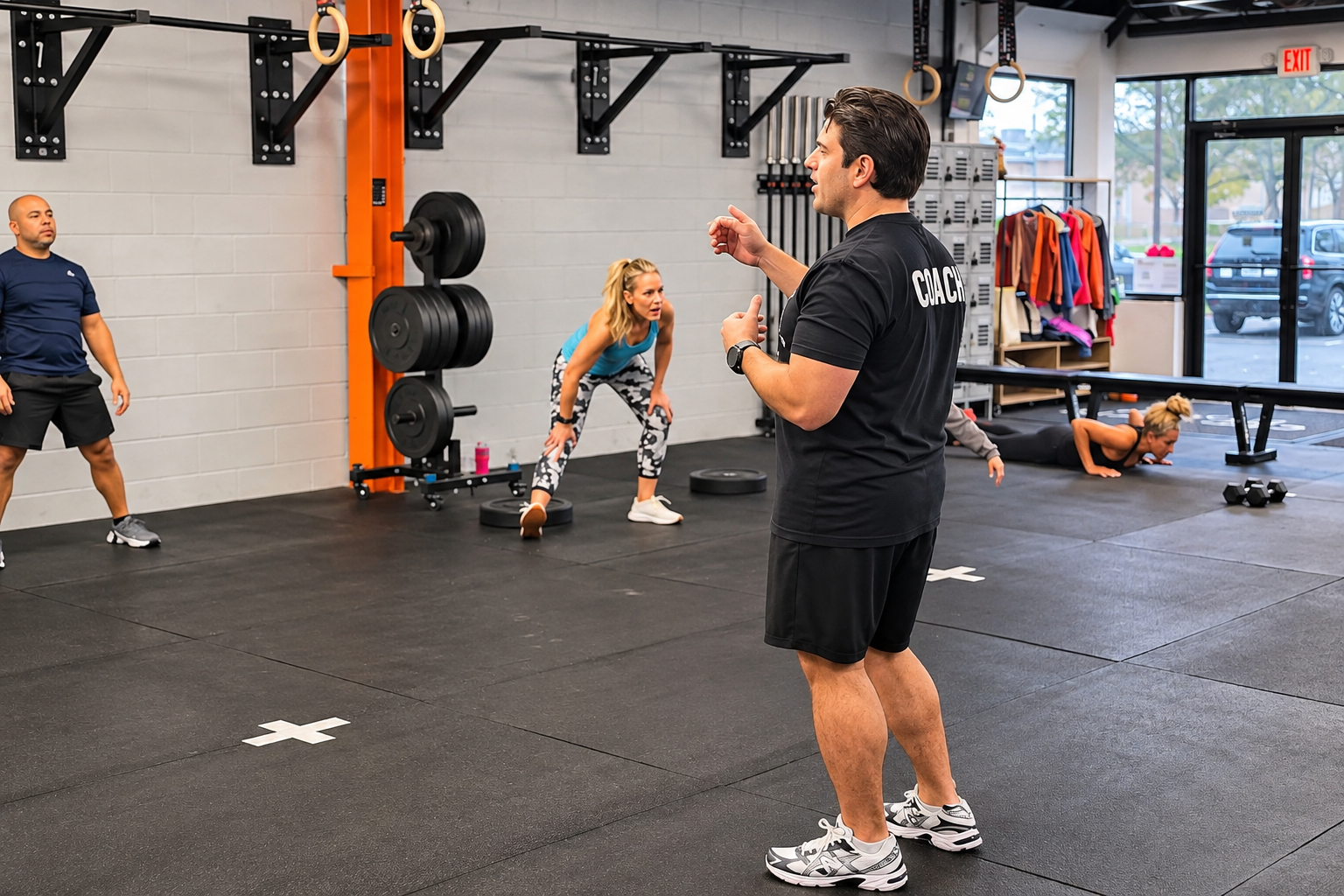
By Rob Zych | CrossFit Level 2 Coach | CrossFit Secaucus | Secaucus, NJ
I hear this every week. Sometimes it comes in through the contact form. More often it comes out in a No Sweat Intro, usually about five minutes in, after we have talked about goals and I have asked what has gotten in the way before. The answer is almost always some version of the same thing: I just do not have the time.
I want to take that seriously, because I think most fitness content dismisses it too quickly. The people who say they do not have time are not making excuses. They are busy in ways that are real and legitimate: demanding jobs, kids, long commutes, households that do not run themselves. The honest answer is not that you have plenty of time if you just prioritize better. The honest answer is that you have less available time than the fitness industry assumes, and most programs are not designed for that reality.
But here is what I have also observed coaching adults in their 30s, 40s, and 50s for over fourteen years: the time problem is real, and it is also solvable. Not by working out more. By working out smarter, with a structure that actually fits the life you have.
The Real Problem Is Not the Hours. It Is the Model.
The traditional gym model assumes you have five to six hours a week to dedicate to fitness. An hour a day, five days a week. Maybe more if you count driving there, changing, the workout itself, and driving back. For a lot of people reading this, that is simply not what a week looks like.
What most busy adults actually have is two to four hours a week that could realistically be carved out for training, if the training was worth carving out time for. The question is not whether two to four hours is enough. It is whether the program you are doing uses those hours well.
The honest answer, based on what the research supports and what I see in the gym, is that two to three well-structured, coached strength sessions per week produce meaningful results. Not the same results as five sessions. But meaningful, compounding, real results. Improved body composition, better energy, stronger movement, better sleep. Outcomes that change how you feel in daily life.
The model that does not work is not the two-to-three-session model. It is the unfocused, uncoached, figure-it-out-yourself model that most people default to when they join a standard gym. That model requires more time and produces fewer results, which is why most people quit within ninety days.
What Forty-Five Minutes Actually Gets You
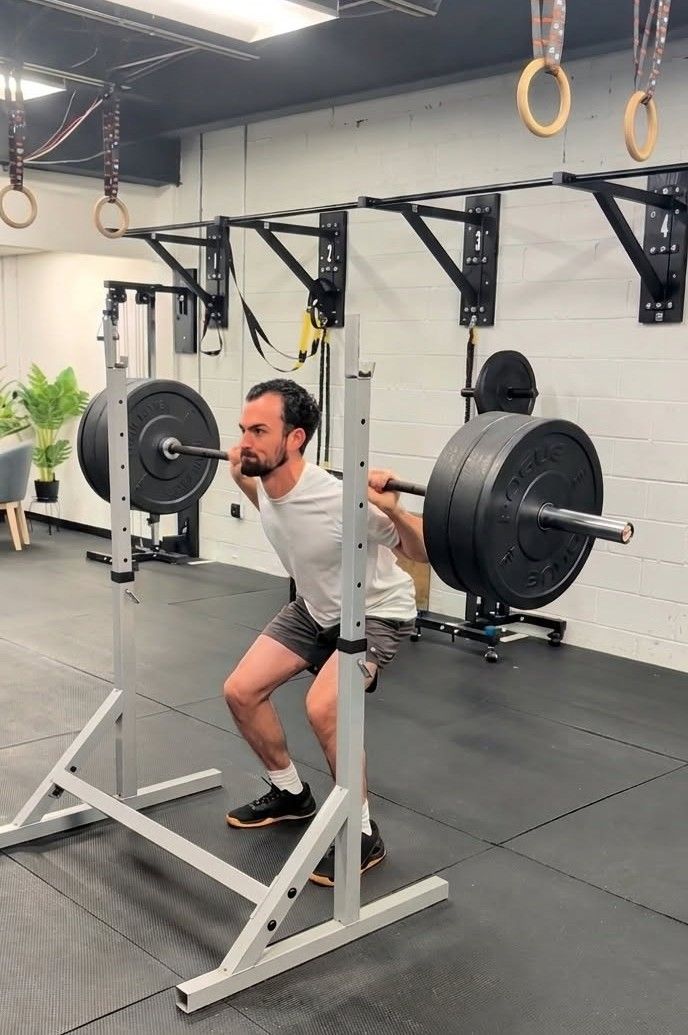
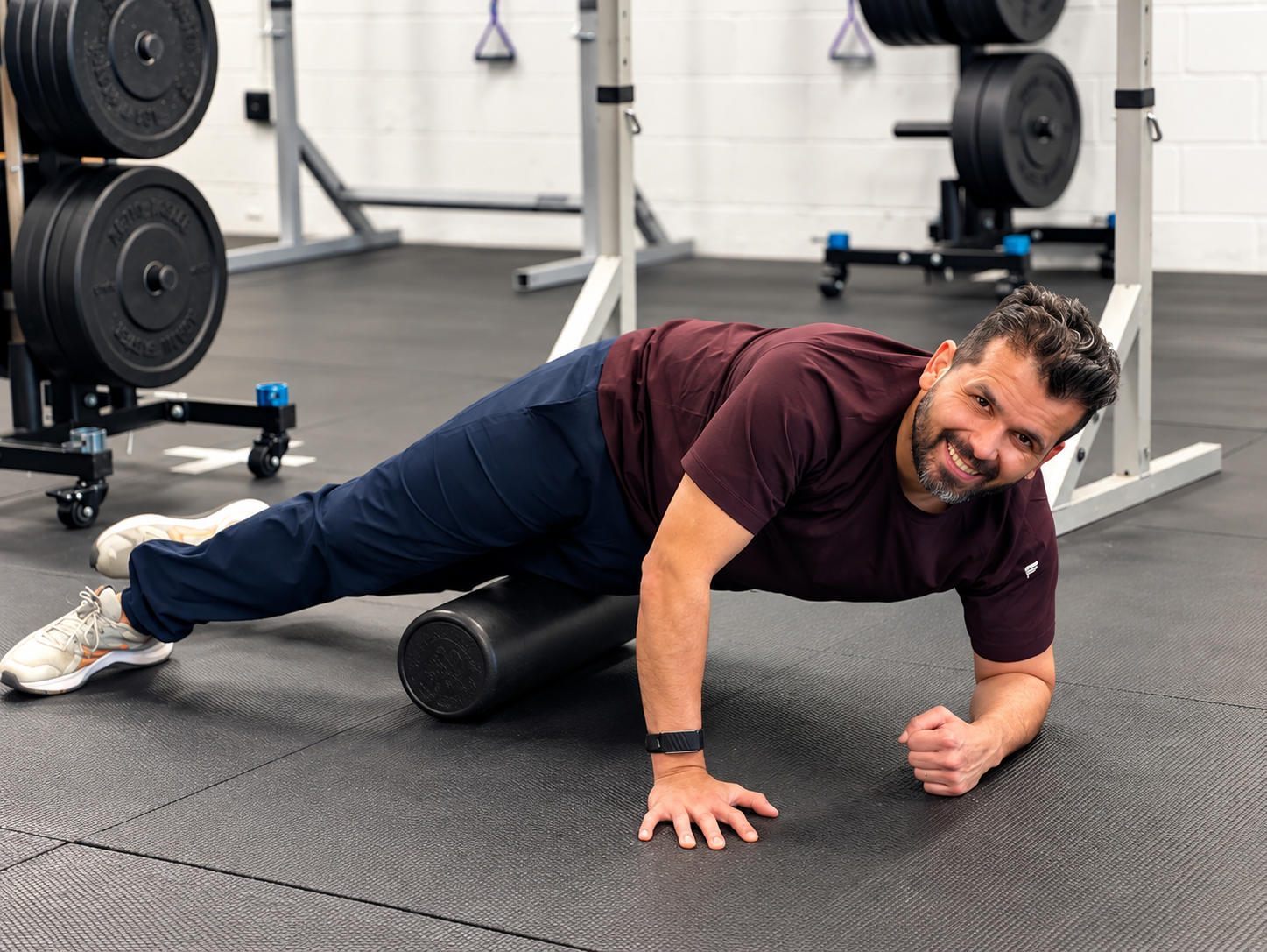
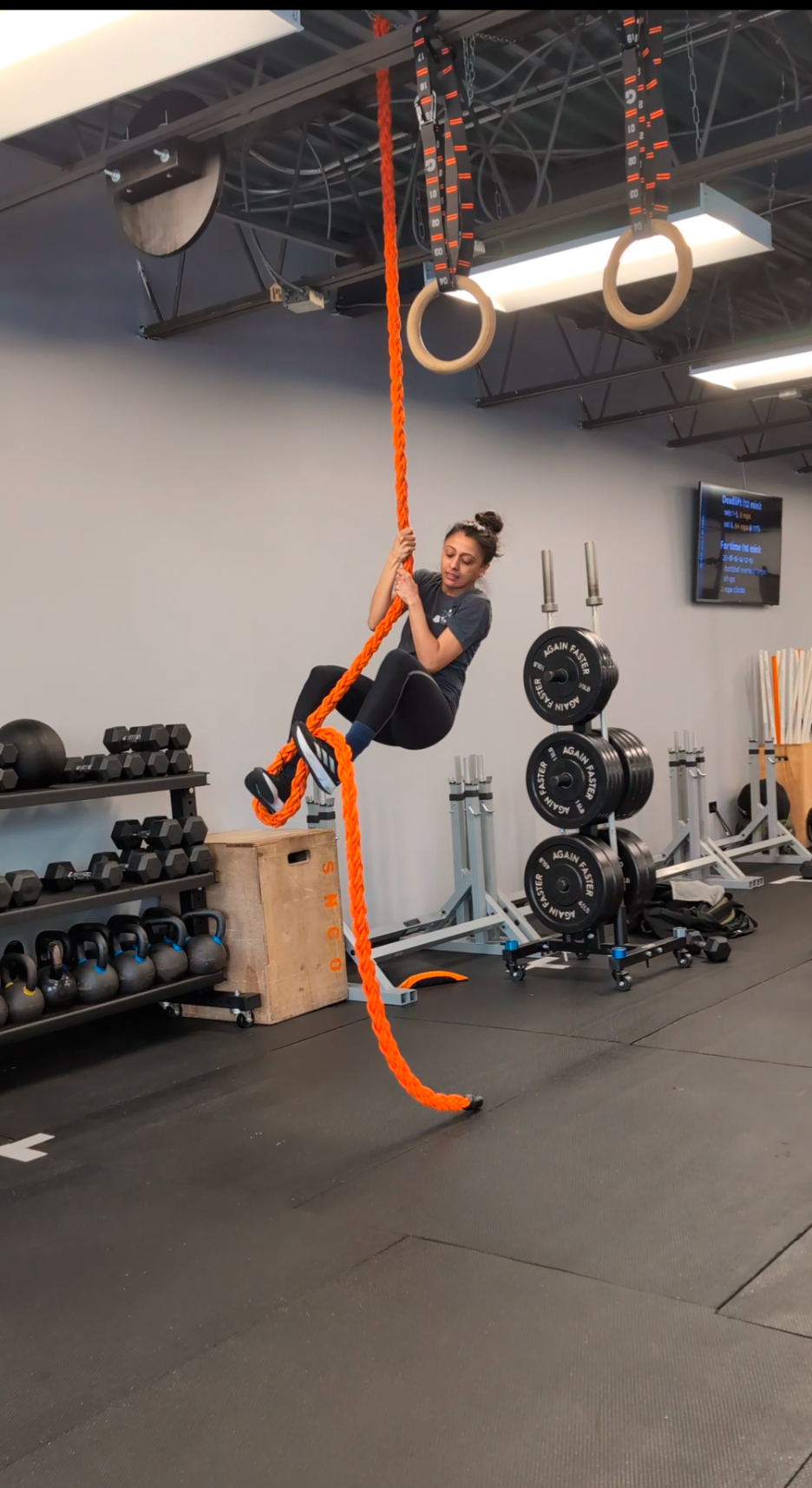
Our group classes at CrossFit Secaucus run forty-five minutes. That includes a structured warm-up, a strength component, and a conditioning workout. Everything is pre-programmed, pre-set, and coached. You walk in, you do the work, you leave.
There is no time spent figuring out what to do. No wandering between machines. No second-guessing whether you are doing it right. No wasted sets because the program was not designed for where you are. The forty-five minutes is forty-five minutes of actual productive work, which is more than most people get from an hour and a half at a standard gym.
Three of those sessions a week is two hours and fifteen minutes of training. Add drive time and you are likely looking at four to five hours total. That is a number most busy adults can find, especially when the return on those hours is real and consistent.
The Consistency Problem Is Different From the Time Problem
Most people who say they do not have time have actually had time before. They had a gym membership for a year. They did it for three weeks, then life happened, and they never got back to it. The time did not disappear. The motivation did.
That is not a character flaw. It is what happens when the program does not give you a reason to come back. When the workout is uninspiring, when nobody notices if you show up or not, when there is no coach who knows your name and your history and what you are working toward, it is easy to skip. And then it is easy to keep skipping.
What makes consistency easier is not more willpower. It is a structure that creates accountability. A class time you have committed to. A coach who knows you missed Tuesday and asks about it on Thursday. A community of people who are also showing up, also working through the same things, and who make showing up feel like something worth doing.
That structure does not cost more time. It makes the time you do spend more likely to continue.
The Thanksgiving to January Problem Specifically
There is a window every year, roughly from Thanksgiving through the first week of January, where this question becomes especially loud. The holidays arrive, schedules collapse, the food is everywhere, the routine disappears, and fitness gets pushed to the list of things that will happen after the new year.
I understand that logic. I also know what happens to it. January arrives with every intention intact, and then the gym is packed, the motivation is high for two weeks, and by mid-February most people are back to where they were in November. The resolution model does not work because it is built on a temporary surge of motivation rather than a sustainable structure.
The people I see succeed are the ones who do something small and consistent now, through the holidays, rather than waiting for a clean start. Not a dramatic overhaul. Three sessions a week. Forty-five minutes. Enough to maintain what they have, build a habit before January, and walk into the new year already in motion rather than starting from scratch.
If you are reading this in late November or December and thinking about January, the most useful thing you can do is not wait for January.
What Getting Started Actually Looks Like Here
Every new member at CrossFit Secaucus starts with our OnRamp program: four private one-on-one sessions with me before joining group classes. We cover the fundamental movements, the language of the gym, how scaling works, and what to expect. By the time you walk into your first group class, you are not a stranger to the space or to me. You know what you are doing and why.
After OnRamp, the commitment is three group classes per week. The schedule runs mornings, evenings, and weekends to fit around work and family. For members who want more individual attention alongside group training, personal training is available. For people whose schedules are genuinely unpredictable, we can talk through what a realistic structure looks like for your specific situation.
The No Sweat Intro is a free, twenty-minute conversation with no workout and no commitment. We talk about where you are, what has gotten in the way before, and whether what we do here is actually the right fit for your life. If it is not, I will tell you that.
If you are in Secaucus, North Bergen, Kearny, Jersey City, or Hoboken and you have been telling yourself you will figure out the time problem eventually, come in and let us figure it out together. The conversation is free and it takes less time than you think.
Ready to Find Time That Actually Works?
Schedule your free No Sweat Intro here.
No commitment. No workout. Just a real conversation about what getting started looks like for your schedule.
Rob Zych is a CrossFit Level 2 coach and owner of CrossFit Secaucus in Secaucus, NJ. He has been coaching adults of all fitness levels since 2012.
CrossFit Secaucus | 333 Meadowlands Parkway, Secaucus, NJ | crossfit-secaucus.com